Planning your first trip to Kerala? Here’s a practical introduction to destinations, transport, food, culture, weather and planning your itinerary.
Kerala Travel Guide for First-Time Visitors
Planning your first trip to Kerala can feel overwhelming at first.
There are mountains, beaches, backwaters, wildlife areas, historic cities, villages and countless cultural experiences to choose from.
The good news is that Kerala is relatively compact compared with many large travel destinations in India, making it possible to combine several different experiences in one journey.
Here’s what first-time visitors should know.
1. Where Is Kerala?
Kerala is a state in southwestern India, located along the Arabian Sea and bordered by the Western Ghats to the east.
Its geography creates an unusual variety of landscapes.
You can travel from coastal areas through backwaters and lowlands into mountain regions and forests.
This geographical diversity is one of the main reasons Kerala works so well for multi-destination holidays.
2. How Long Should You Spend in Kerala?
There is no perfect trip length, but approximately 6–10 days gives many first-time visitors enough time to experience several sides of Kerala without rushing too much.
A shorter trip might focus on two or three destinations.
A longer holiday can include additional time for beaches, wildlife, villages, wellness or lesser-known destinations.
The important thing is to avoid trying to fit too many places into a short itinerary.
3. A Classic First-Time Route
One popular combination is:
Kochi → Munnar → Thekkady → Alleppey
This route gives you four very different experiences.
Kochi — History and culture
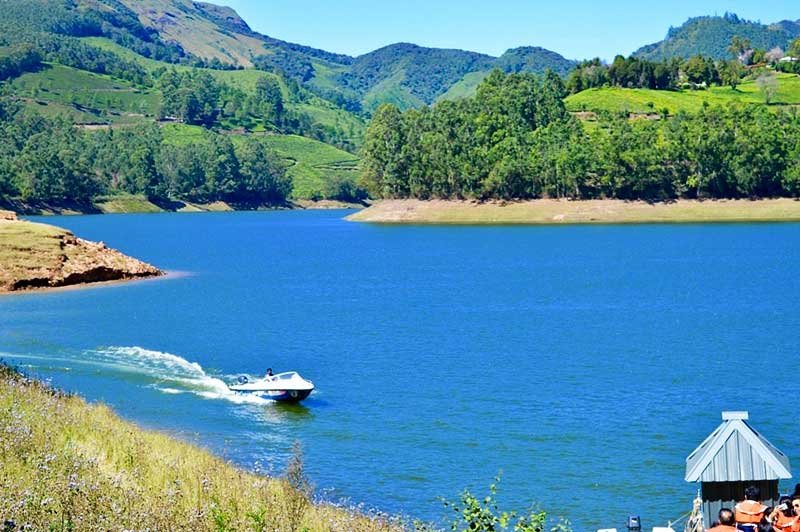
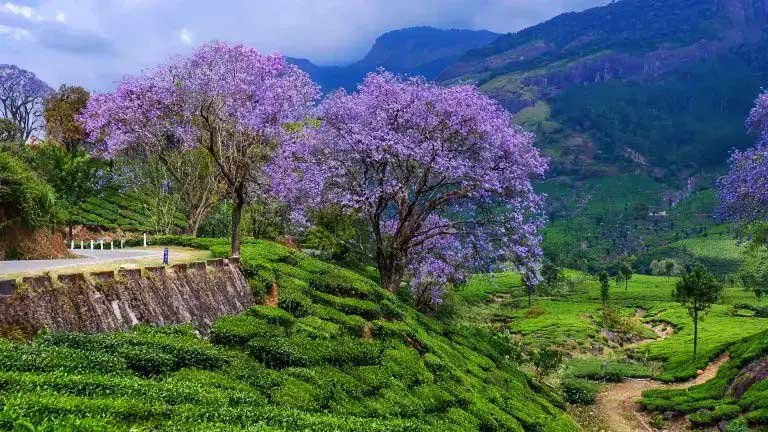
Munnar — Mountains and tea plantations
Thekkady — Wildlife and nature
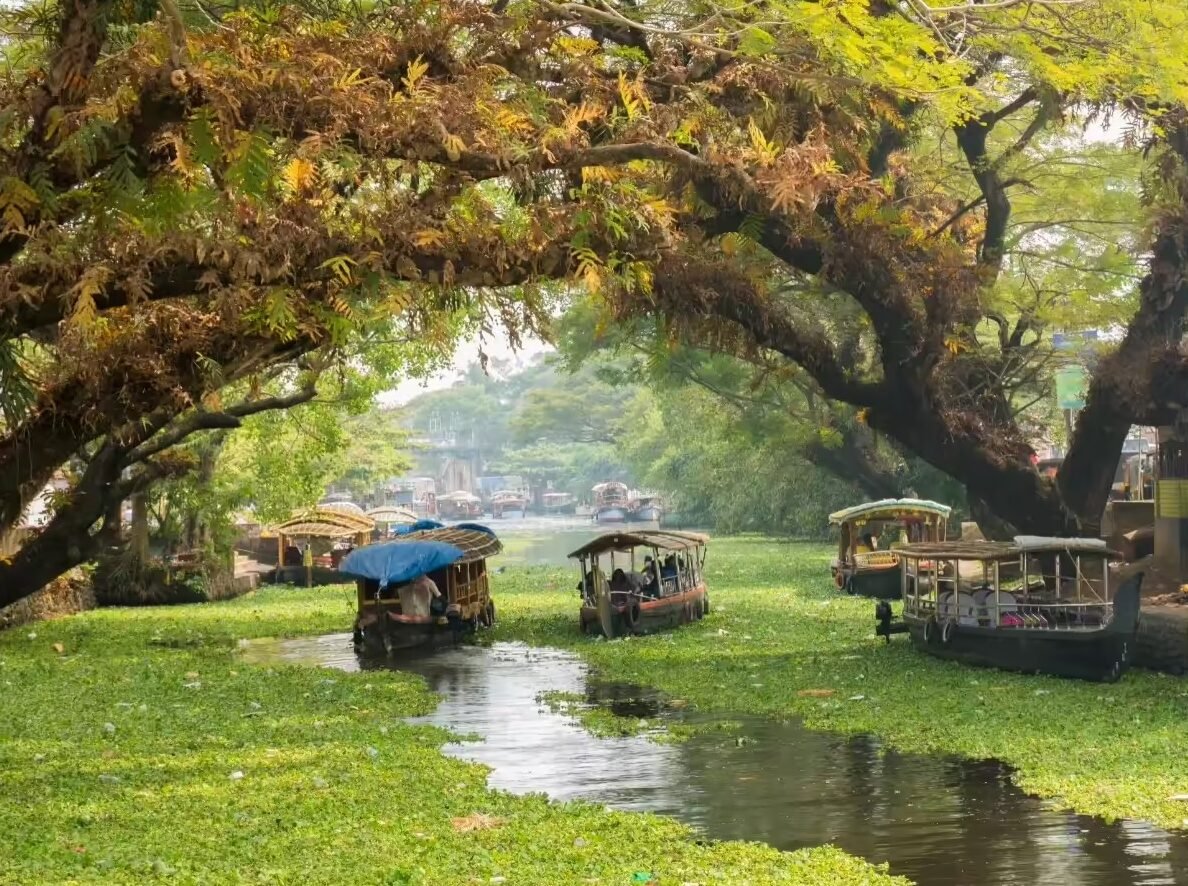
Alleppey — Backwaters and houseboats
It provides a good introduction to the diversity of Kerala.
4. Getting Around Kerala
Kerala can be explored using a combination of private vehicles, trains, buses, boats and domestic flights depending on the itinerary.
For a multi-stop holiday, a private vehicle with a driver can make the journey considerably easier, particularly when travelling between destinations that are not directly connected by rail.
Private transportation also provides flexibility for stops along the way.
For independent travellers, public transportation can be a rewarding option, but journeys require more planning.
5. What Is Kerala’s Food Like?
Food is an important part of experiencing Kerala.
Rice, coconut, spices, seafood and locally grown vegetables feature prominently in many dishes.
Some foods visitors may encounter include:
Appam — A soft, lacy rice pancake often served with curries.
Puttu — Steamed cylinders of rice flour and coconut, traditionally served with accompaniments such as curry or banana.
Kerala Sadya — A traditional vegetarian feast served with numerous dishes, often on a banana leaf.
Fish Curry — Kerala’s coastal cuisine includes many regional preparations of fish with spices and coconut.
Parotta — A layered flatbread commonly served with curries.
Food varies significantly across Kerala, so trying regional dishes is part of the experience.
6. What Should You Wear?
Kerala is generally warm and humid, particularly in the lowlands.
Lightweight clothing is usually comfortable.
However, travellers should dress respectfully when visiting temples, churches, mosques and other religious or culturally significant places.
Some sites may have specific dress requirements, so check locally before visiting.
Comfortable walking shoes are also useful because many experiences involve walking through uneven or natural terrain.
7. Is Kerala Suitable for Families?
Yes.
Kerala offers a broad range of experiences that can work for families, including:
- Beaches
- Backwaters
- Wildlife
- Tea plantations
- Nature walks
- Cultural experiences
- Boat journeys
The best itinerary depends on the children’s ages and interests.
For families, it is often better to reduce the number of long travel days and allow enough time to relax between destinations.
8. Is Kerala Good for Honeymoons?
Kerala can be an excellent destination for couples looking for a combination of scenery, privacy and relaxation.
A honeymoon itinerary might combine:
Munnar for mountain scenery
Alleppey or Kumarakom for backwaters
Marari or another coastal destination for beach time
The itinerary can be adapted around the couple’s preferred accommodation, activities and pace.
9. What About Wildlife?
Kerala has several areas where visitors can experience forests and wildlife.
The Periyar region around Thekkady is one of the best-known choices.
Wayanad is another option for travellers interested in forests, landscapes and nature.
Wildlife sightings are never guaranteed, however. A responsible wildlife experience focuses on the ecosystem and natural environment rather than promising specific animal sightings.
10. Should You Stay on a Houseboat?
A houseboat stay can be one of the highlights of a Kerala trip.
It provides an opportunity to experience the backwaters from the water rather than simply visiting them for a short sightseeing stop.
However, the right choice depends on your expectations.
Some travellers prefer a private overnight houseboat, while others may prefer a day cruise followed by a stay at a resort or boutique property.
11. Can You Customise a Kerala Trip?
Absolutely.
Kerala doesn’t have to be experienced through a standard package.
A private itinerary can be built around:
- Your travel dates
- Number of travellers
- Preferred destinations
- Accommodation style
- Food interests
- Wildlife
- Wellness
- Beaches
- Hiking
- Culture
- Photography
- Family requirements
This can be particularly useful when different travellers in the same group have different interests.
12. How Much Should You Plan in Advance?
Popular travel periods can create higher demand for accommodation, transportation and certain experiences.
For a private multi-day trip, booking ahead gives you more flexibility when selecting accommodation and building your preferred itinerary.
However, the right amount of planning depends on your travel dates and the type of trip you want.
13. What Should Your First Kerala Itinerary Look Like?
For a first visit, don’t try to see everything.
A balanced itinerary might look like:
Day 1–2: Kochi
Day 3–4: Munnar
Day 5: Thekkady
Day 6–7: Alleppey / Backwaters
Day 8: Departure or extend to the coast
For a longer trip, you can add Wayanad, Kumarakom, Varkala, Marari or another destination depending on your interests.
14. Travel Beyond the Famous Places
Once you’ve seen Kerala’s major highlights, consider going beyond the standard itinerary.
Places such as Kadamakudy, Munroe Island, Sambranikodi and Thenmala can provide different perspectives on Kerala.
These places can be particularly interesting for travellers looking for quieter experiences and a more local feel.
Final Thoughts
The best Kerala itinerary isn’t necessarily the one with the most destinations.
It’s the one that gives you enough time to experience the landscapes, food, people and culture without constantly rushing from one place to another.
Choose the experiences that matter most to you, then build the route around them.
Ready to plan your Kerala journey?
Greyhound Tours creates private and tailor-made Kerala holidays designed around your interests, pace and travel style.